Gum disease, also known as periodontal disease, is a common but often preventable condition that affects the soft tissue and bone supporting the teeth. Left unchecked, it can lead to serious dental problems, including tooth loss. Fortunately, with consistent care and healthy habits, it’s possible to keep your gums in excellent shape and avoid the discomfort and complications of gum disease.
Maintain a Thorough Oral Hygiene Routine
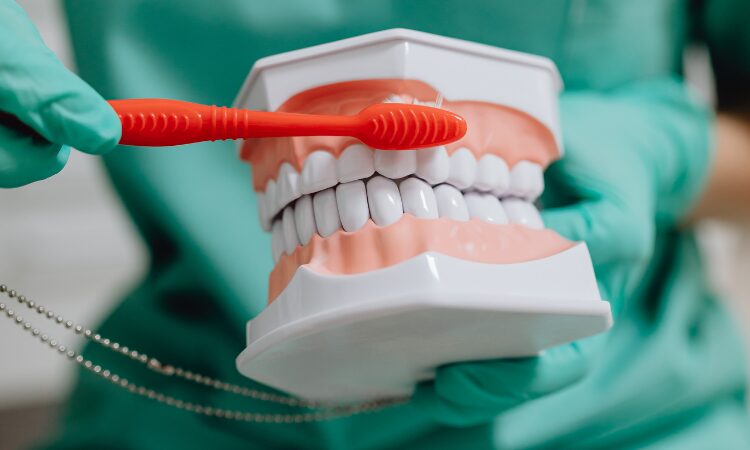
One of the most effective ways to prevent gum disease is by practicing good oral hygiene every day. Brushing your teeth at least twice a day with fluoride toothpaste helps remove food particles and plaque, the sticky film of bacteria that can build up along the gumline. It’s equally important to brush gently, using a soft-bristled toothbrush, to avoid damaging the gums.
Flossing daily is crucial as well. While brushing removes plaque from tooth surfaces, flossing reaches areas between the teeth and under the gumline where a toothbrush can’t reach. Neglecting to floss allows bacteria to accumulate in these tight spaces, increasing the risk of inflammation and infection.
Use Mouthwash for Extra Protection
Adding an antimicrobial or therapeutic mouthwash to your daily routine can offer additional protection against gum disease. These rinses can help reduce plaque and gingivitis, a mild form of gum disease. Be sure to choose a mouthwash approved by dental associations and avoid those with high alcohol content if you have sensitive gums.
Watch What You Eat
Your diet plays a bigger role in oral health than you might think. A balanced diet rich in vitamins and minerals, especially vitamin C and calcium, supports gum health and helps the body fight off infection. Crunchy fruits and vegetables like apples, carrots, and celery can help naturally clean teeth and massage gums. Avoiding excessive sugar and acidic foods is also essential, as these can contribute to plaque buildup and weaken the enamel protecting your teeth.
Don’t Skip Dental Checkups
Regular dental visits are key to preventing gum disease. Professional cleanings remove tartar, the hardened form of plaque that can’t be removed by brushing or flossing alone. Dentists and hygienists also check for early signs of gum disease, such as redness, swelling, or bleeding, allowing for early intervention. Most people should see a dentist every six months, but those with a history of gum problems may need more frequent visits.
Quit Smoking and Tobacco Use
Tobacco use is a major risk factor for gum disease. It weakens your immune system, making it harder to fight infections, including gum infections. Smokers are more likely to develop gum disease and less likely to heal well after treatment. Quitting tobacco could not only improve gum health but also enhance your overall well-being.
Manage Stress and Health Conditions
Stress can impact your immune system and increase your susceptibility to infections, including periodontal disease. Managing stress through regular exercise, adequate sleep, and mindfulness practices can support your immune health and may improve your oral hygiene habits. In addition, systemic conditions like diabetes are closely linked to gum health. Poorly controlled blood sugar levels can lead to more severe gum problems, so managing chronic illnesses is another important aspect of prevention.
Be Aware of Early Warning Signs
Recognizing the early signs of gum disease can make a big difference in preventing it from progressing. Common symptoms include red, swollen, or tender gums, bleeding when brushing or flossing, persistent bad breath, and receding gums. If you notice any of these symptoms, don’t wait. Schedule a dental appointment to address the issue promptly.
Gum Disease Treatment in Clearwater, FL
At Family & Cosmetic Dentistry of Clearwater, we are dedicated to helping you preserve your oral health. While routine cleanings and exams are crucial, maintaining your oral hygiene between appointments is the best way to prevent disease and decay. Contact our office today to schedule a consultation and learn more about you to protect your smile against gum disease.